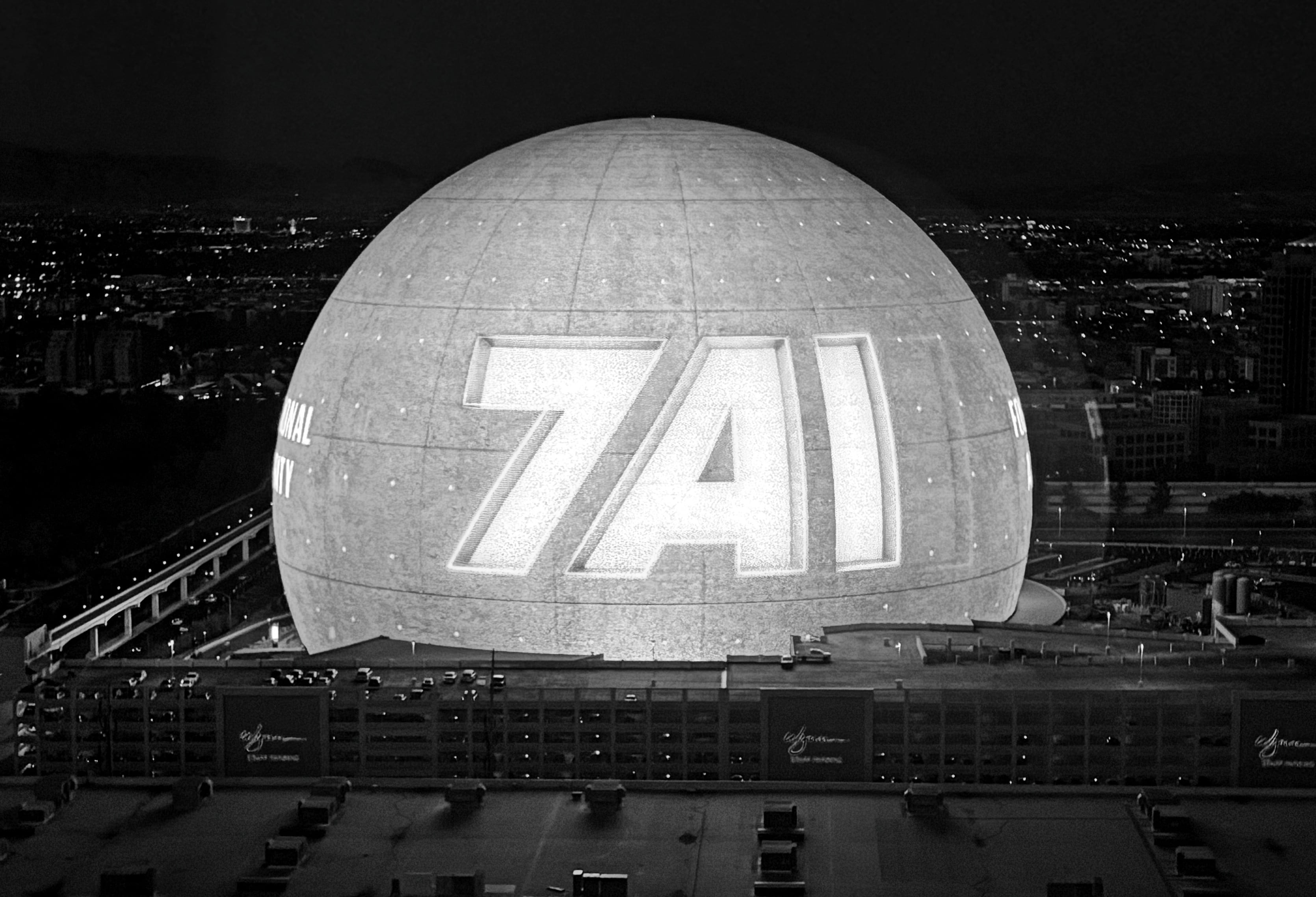

One year ago today, 7AI emerged from stealth at the GuidePoint Security CKO with a thesis that sounded almost reckless: that AI agents could handle the repetitive security work burning out defenders while freeing humans to focus on strategic, creative work. We called it non-human work—the tedious-but-essential toil that no amount of salary could make satisfying.
We had conviction. What we didn't have was proof.
This week we were back at the same event now with a fleet of production customers, having processed millions of alerts, and post raising the largest cybersecurity Series A in history.
Along this journey, we've learned seven lessons that have shaped who we are and where we're going.
The Question Changed—And That Changes Everything
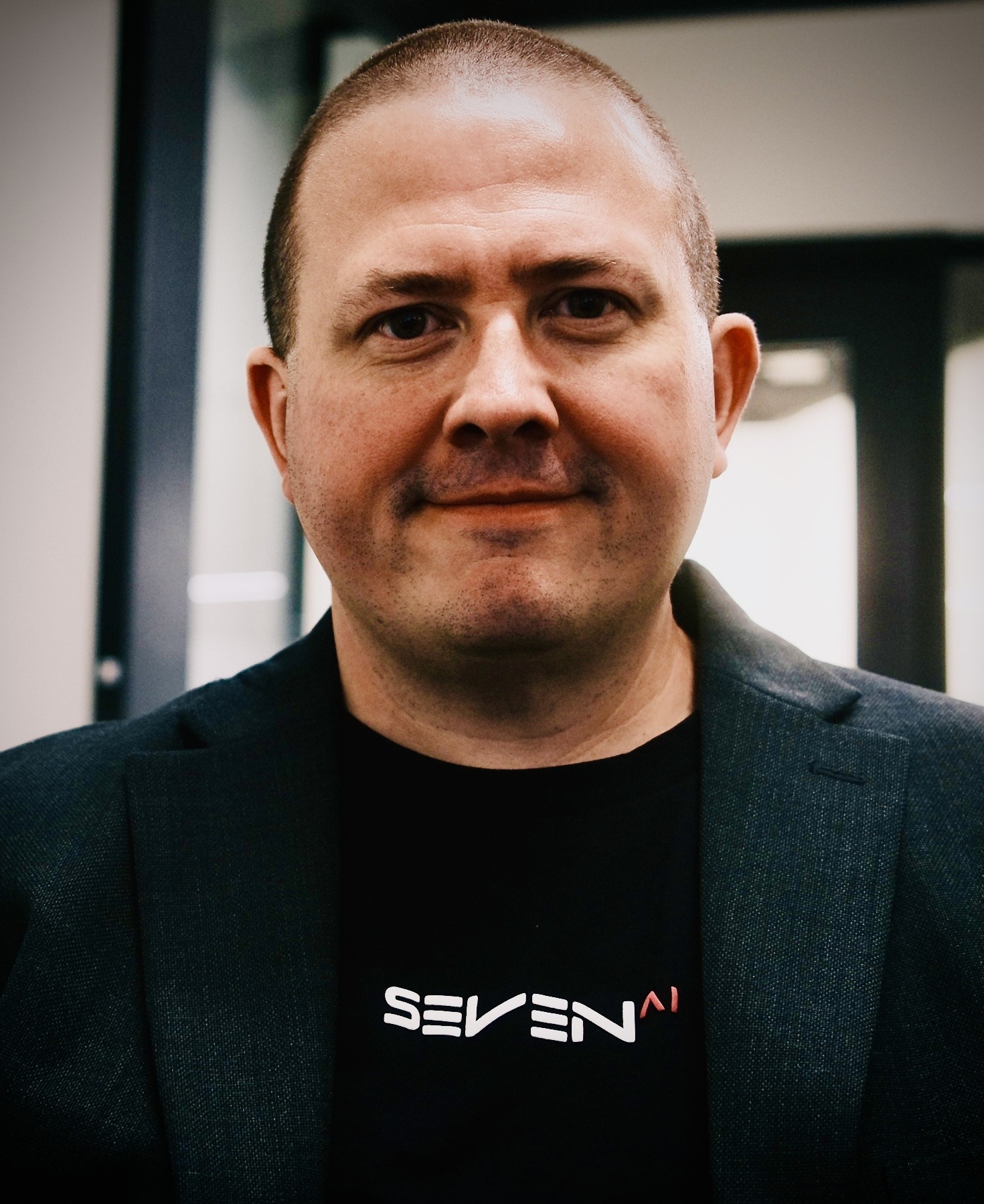
Lior Div, CEO & Co-Founder
A year ago, the question I heard in every meeting was: "Does AI actually work in security?" CISOs were skeptical—and rightfully so. They'd seen too many promises from vendors who slapped "AI-powered" on products that were really just rule-based systems with better marketing.
Today, that conversation has fundamentally shifted. The question isn't whether AI works—it's "How do I supercharge my people AND trust the partners who make AI work for my specific environment?" That evolution represents more than market maturation. It reflects a deeper understanding that AI in security isn't about replacement—it's about partnership.
This is exactly why we built PLAID—People-Led, AI-Driven. AI that performs at machine speed, backed by elite human experts who understand your business, your workflows, and what you actually want your people doing.
We think of it like a Michelin star restaurant. Yes, the kitchen has incredible equipment and systems. But what makes it exceptional is the team of experts who craft every dish to perfection, who know their craft deeply, and who care about every detail of your experience. That's what we're building at 7AI—not just technology, but a Michelin-star experience for security operations. Our Boston-based team isn't just support; they're the chefs who make every deployment exceptional.
Truly Agentic Architecture Can't Be Retrofitted
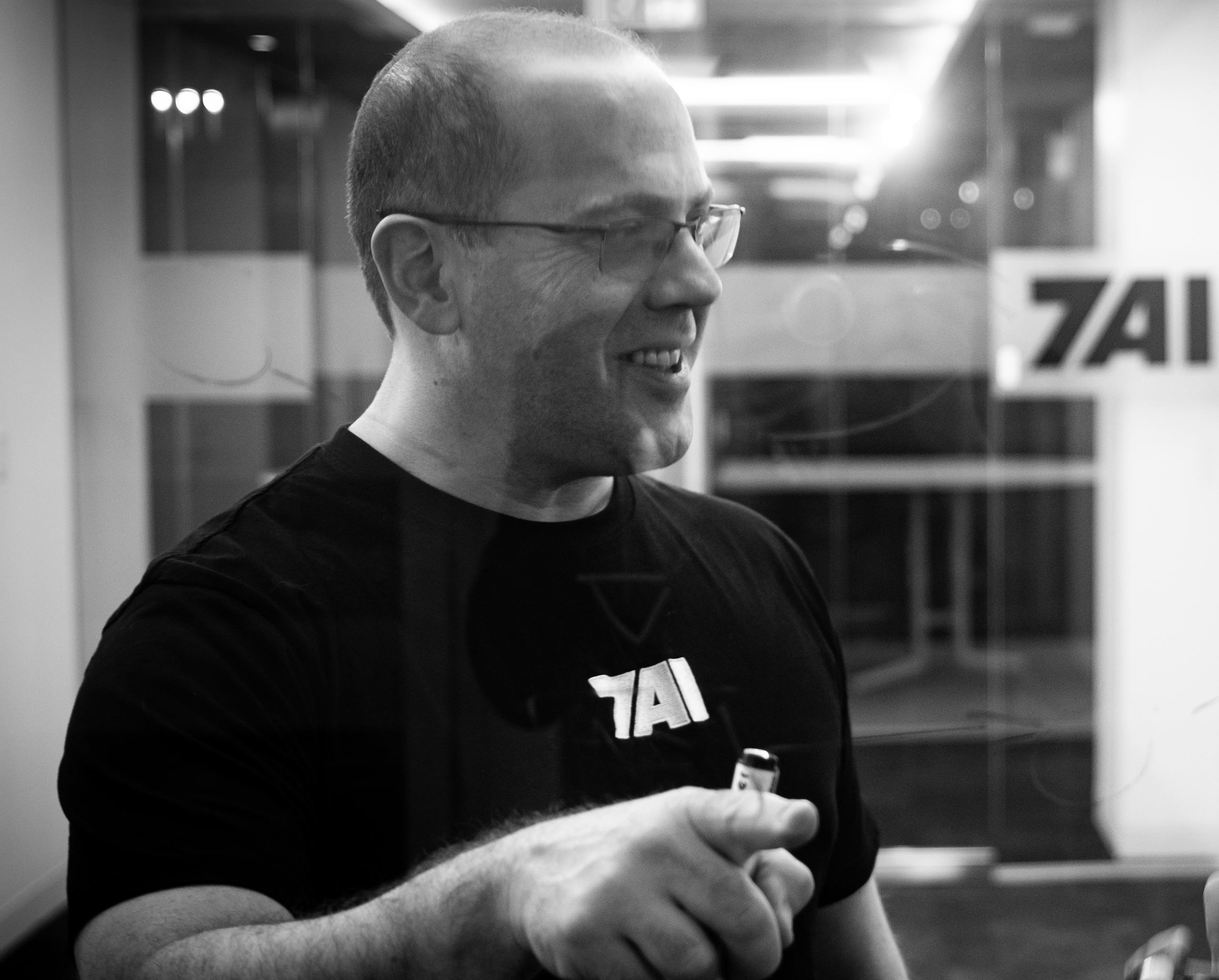 Yonatan Striem Amit, CTO & Co-Founder
The reason there are so few truly agentic companies in an ocean of claims is that most vendors built traditional rule-based systems and are now retrofitting them with AI labels. You can't bolt intelligence onto a foundation designed for something else.
When Lior and I started 7AI, we built it around a conviction: the future of security operations is federated. Autonomous agents don't just operate tools, they fundamentally enable a massive change in architecture, both in how we build our software and how our customers architect their security stack. That's a fundamental architectural decision that touches everything we do. Our specialized AI agents don't just automate tasks—they investigate data where it lives, across cloud, identity, and EDR platforms. They swarm together dynamically, adjusting to new threats in real-time.
We're redrawing the line between what needs human brilliance and what machines can handle. By letting smart agents take care of the daily grind—the False Positive Tariff that costs teams real time, money, and morale—we free human minds to do what they do best: tackle the wild, complex challenges that only human creativity can crack.
Build What Customers Will Love, Not What Sounds Impressive
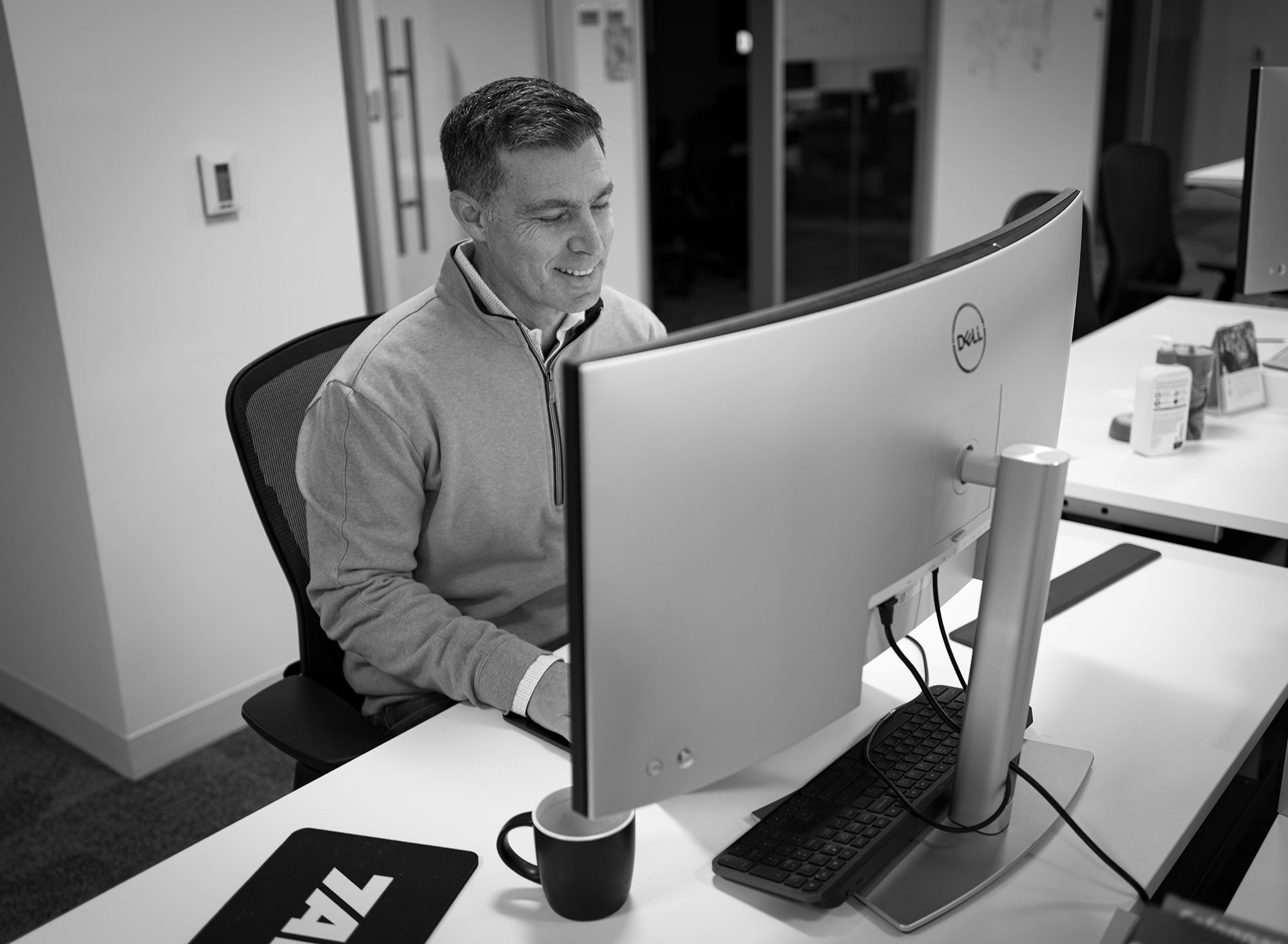
Allen Lieberman, Chief Product Officer
After 20+ years in cybersecurity and SaaS, I believed we could help the cyber community adapt to this new wave of technology, by working deeply with the market. When I joined 7AI, it was clear we were determined to lean into working with the community. What we needed were helpers, those that would take a shot on deploying the cutting edge and lean into innovation - I did not know just how much help we would actually get.
We treat our customers as design partners—not just consumers of our product, but co-creators of it. Their assistance has been instrumental and more than I could’ve imagined at the outset of this journey.
When security teams told us they needed better integration into analysts' workflows, we didn't put it in a backlog for "someday." We shipped it. When DXC's global deployment surfaced edge cases and a diversity of alerts and complexity of deployments we hadn't yet seen, we turned requirements to scale into such a complex environment within days, not quarters - and we’ve been working hand in hand with these companies.
The emergence of agentic AI marks a pivotal moment for security teams. But technology alone doesn't create value. What matters is whether customers realize meaningful, measurable impact. That's why we obsess over their experience—and why we'll never stop listening and building against the ever-changing needs.
CISOs Want Partners, Not Just Vendors
Nate Burke, Chief Marketing Officer
Over the past year, I've had the privilege of hosting our DO HUMAN WORK podcast alongside Lior, talking with security leaders from organizations ranging from 1,000 to 130,000+ employees. Every conversation reinforces something I've believed for decades: security teams don't just want better software. They want partners who understand their world.
When John Koester told us "the current model is kind of broken," he wasn't just talking about technology, he was describing the transactional relationship between security teams and vendors. When Mignona Coté said "now we have thinking time," she was describing what happens when you find a partner, not just a product. When Travis Farral reflected that "more time means more human connection," he captured why this work matters.
This problem - security teams spending 70% of their time on repetitive tasks never meant for humans -has existed for decades. What's new is that AI finally offers a way out. But only if the companies building AI understand that CISOs don't want to be sold software; they want partners who harness AI to deliver outcomes customized to their environment, their workflows, and most importantly, what they want their people to actually do. That's the story we hear in every conversation, and it's the story that drives everything we build.
The Momentum Behind the Mission
What's been remarkable this year is watching the market validate this approach—not just with words, but with recognition. In 302 days, we went from stealth to raising the largest cybersecurity Series A in history. But funding is just fuel. The recognition we've seen is just the beginning:
• Fortune Cyber 60 — Named among the top venture-backed cybersecurity startups
• Gartner Hype Cycle for Security Operations, 2025 — Recognized as a Sample Vendor in AI SOC Agents
• CRN 2025 Stellar Startups — Honored for channel partner excellence
• Business Insider's 43 Startups to Bet Your Career On — Featured just weeks after launch
Coverage in SecurityWeek, Dark Reading, SiliconANGLE, and others helped amplify our message and the real momentum comes from customers who see results and tell their peers. That's the kind of momentum you can't buy.
Flexibility Beats One-Size-Fits-All
Brian McDonough, Chief Revenue Officer
In my career, I've seen too many security companies target accounts instead of engaging with people. They build a product, wrap it in a standard contract, and expect every organization to adapt to their way of doing things. That's backwards. At 7AI, we lead with empathy. We get to know the humans behind the titles—their challenges, their aspirations, what keeps them up at night. AI adoption is a long-term journey, and we want to earn the right to travel it with our customers.
That's why we start with the "why," not the "what." Why does this security team exist? What are they trying to protect? What does success look like in their specific environment? Only after we understand those answers do we talk about how 7AI can help. And here's what we've learned: no two answers are the same.
Whether you outsource an outcome to us or run it internally, our solution should feel like it's built for every key persona within your organization. That's why we've invested in a team that's foundationally humble, hungry, smart, and self-aware—people with high EQ who listen more than they talk, who care about customer outcomes more than quota, and who understand that respect for customers, partners, and each other isn't just nice to have. It's how you build something that lasts. And we get to do all of this in the state I grew up in, building an AI company in Boston.
Great Engineers Need Context, Not Just Hard Problems
Nir Soudry, head of R&D
Every startup talks about hiring great people. Few actually structure their company around that belief. But hiring exceptional people is only half the equation. The other half is giving them the context and ownership to move fast.
We put engineers in front of customers and empower them with full context. When your team deeply understands business impact and owns the outcome, they make better decisions faster. That means end-to-end ownership—engineers own features from ideation through customer feedback, not just the code in between. It means shared context—everyone understands business goals, customer pain points, and the "why" behind what we're building. It means empowered decisions—elite teams make judgment calls quickly with clear escalation paths, not endless approval chains.
What I've learned is that exceptional people don't just want hard problems. They want to work alongside other exceptional people, ship things that matter, and see their work in production making a difference—not stuck in planning purgatory. Our processes evolve as we scale; we revise whatever slows us down. That startup intensity—full dedication to ambitious goals—is what allows us to move at the speed our customers need. It's how exceptional people ship exceptional outcomes.
Channel Partners Amplify Impact Exponentially
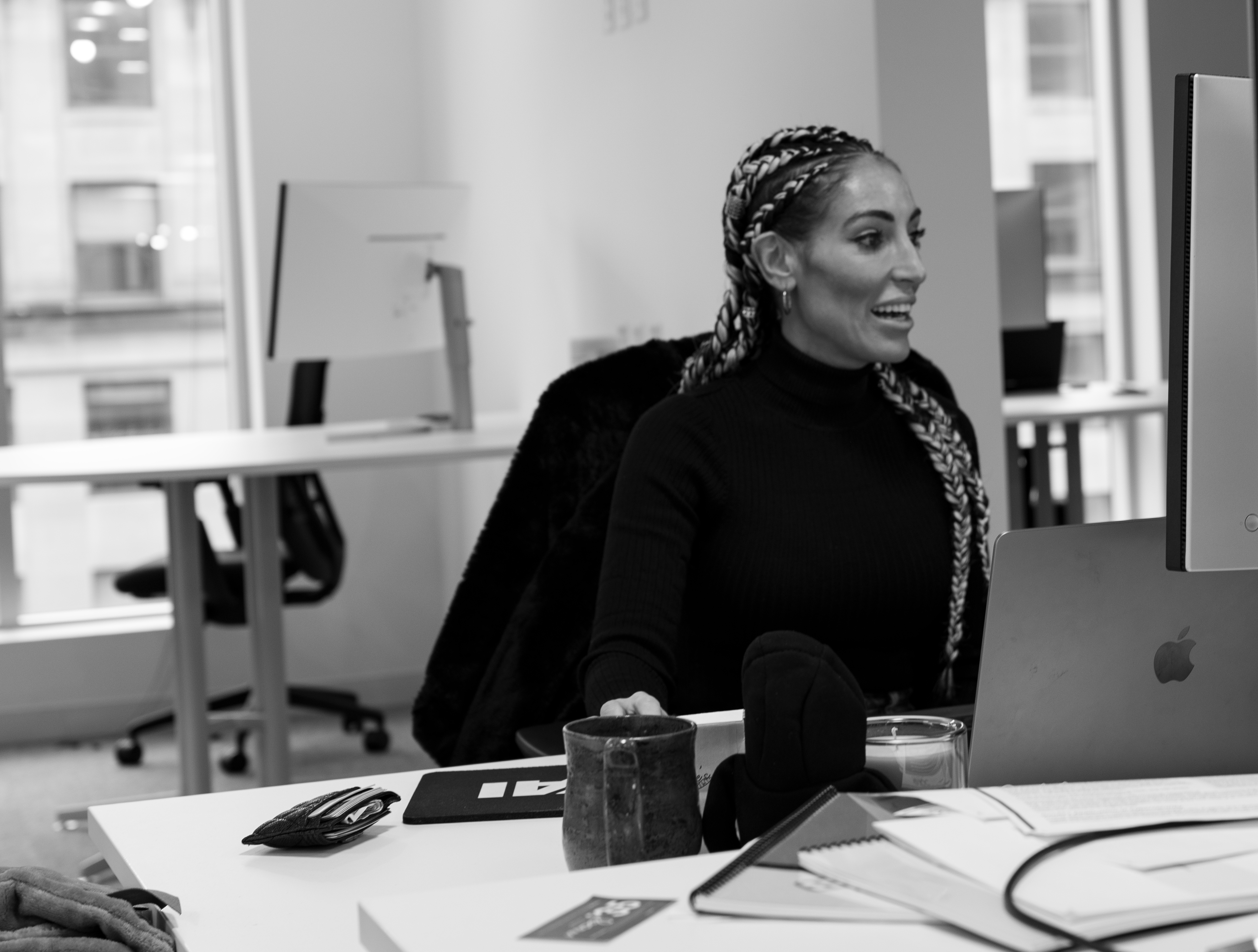 Ashley Tranfaglia, Channel Account Manager
I joined 7AI because I believed in a different way of working with channel partners. Not the transactional model where vendors treat partners as a distribution mechanism, but genuine collaboration where we succeed together.
What I've learned is that great partners don't just want another product to sell—they want solutions they're proud to recommend. They want a vendor who shows up, who listens, who helps them solve their customers' actual problems. When partners bring us into a conversation, they're not just making an introduction. They're putting their reputation on the line because they believe in what we're building.
There's something poetic about being back at GuidePoint CKO for our one-year anniversary—the same event where we announced to the world that 7AI existed. The relationships we've built with partners aren't just business arrangements. They're built on shared values: a commitment to customer outcomes, a belief that security should be better, and a willingness to do the work required to make it so. Our CRN Stellar Startups recognition belongs as much to our partners as it does to us.
What's Next
A year ago, we wrote: "Stealth mode is weird. Well, that ends now." We promised to prove that AI agents could do the work that was burning out security teams. We promised transparency. We promised to put humans first, even as we built AI.
Looking back, those promises feel like they were made by a younger, more naive version of ourselves. Not because they were wrong—but because we've learned that keeping them is more rewarding than we imagined. Every customer who trusts us with their security operations. Every partner who puts their reputation on the line. Every team member who chose to build something new. They've all taught us something about what it means to do this work.
Year two starts today. And if year one taught us anything, it's that the best is yet to come.
Here we go.
— The 7AI Leadership Team
Learn more about 7AI | Listen to DO HUMAN WORK | Read the original announcement